By Barbara Ficarra, RN, BSN, MPA
The health care social media legal series continues here on Healthin30, and legal expert, David Harlow, Esq, Health Care Attorney and Consultant at The Harlow Group, LLC in Boston, answers a series of questions focusing on the legal aspects of physicians engaging in social media.
Health Care Social Media – Legal Aspects
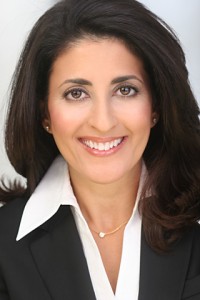
Barbara Ficarra, RN, BSN, MPA
Q: Barbara – According to the American Medical Association, it states: “When physicians see content posted by colleagues that appears unprofessional they have a responsibility to bring that content to the attention of the individual, so that he or she can remove it and/or take other appropriate actions. If the behavior significantly violates professional norms and the individual does not take appropriate action to resolve the situation, the physician should report the matter to appropriate authorities.”
Who is the appropriate authority?
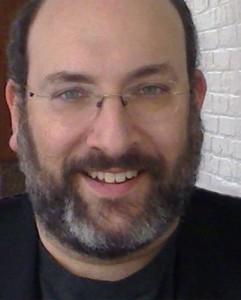
David Harlow, Esq.
A: David Harlow, Esq. – The peer reporting laws and regulations of each state’s medical board generally establish the duty of a physician regarding peer monitoring and reporting. It is a condition of each physician’s license to monitor colleagues and report infractions — whether related to clinical issues or matters of candor, privacy and integrity, as outlined above.
Q: Barbara – Can a consumer or patient report inappropriate physician behavior? Who would they report it to?
A: David Harlow, Esq. – The state medical board is the governmental authority that would investigate such allegations. There are also professional societies, employers, medical staff organizations and hospitals or other facilities where the clinician has privileges that may have relevant polices in place regarding inappropriate use of social media. It is often the case that some of such organizations will respond more rapidly to an allegation of such inappropriate behavior than the state agency would.
Q: Barbara – What’s the bottom line when it comes to social media and doctors?
A: David Harlow, Esq. – Social media platforms are important portals for communication back and forth between patient and clinician, and among clinicians. Clinicians must recognize the limitations of all of their tools, including these communications tools. Using these tools can lead to greater patient activation and engagement, to better clinical understanding, and better sharing of learnings relevant to disease prevention and care.
I always like to warn people that social media is a power tool — you need to learn how to use it properly, or someone’s going to get hurt.
Your turn
We would love for you to share your insightful thoughts in the comment section below. How do you engage in social media? What has been your experience with Twitter and Facebook?
Connect with me | Stay in touch
- Follow Barbara on Twitter
- Visit Barbara Ficarra on Facebook
- Like Healthin30
- Connect with Barbara on Linkedin
- Become a Fan and Like Barbara Ficarra on The Huffington Post
More on Social Media and Health Here
- Doctors and Social Media: Personal vs. Professional Online Content
- Doctors and Social Media – Two Photos Which Could Prompt State Boards to Investigate
- State Medical Boards Addresses Inappropriate Online Physician Behaviors
- Social Media Health: 3 Key Elements to Use When Engaging in Social Media
- Social Media Legal Concerns: Questions and Answers with David Harlow, Esq.
- List of 20 Excellent Social Media Networking Resources
- 3 Reasons Why Social Networking Is Not a Waste of Time for Health Professionals
- Healthin30-Social Media/Networking
